

Most players walk up to a roulette table chasing hot streaks, but serious punters increasingly do the opposite. They log cold numbers – those stubborn slots that haven’t landed in ages – and use that data to steer their bets. In the live casino scene served from the Gold Coast and beyond, a roulette with cold numbers tracker flips the usual “follow the winner” mindset on its head. Treat it like any tool: useful if you read it honestly, dangerous if you mistake pattern for promise.
What a Cold Numbers Tracker Actually Does
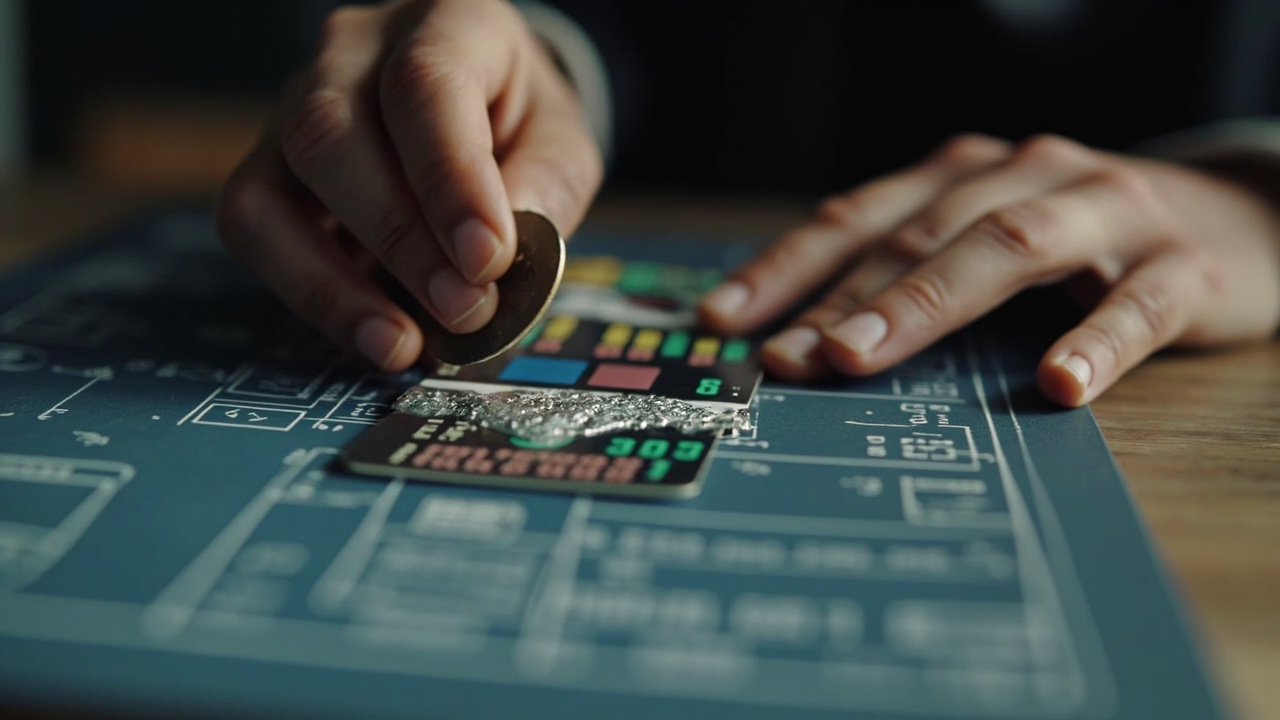
I sat down (virtually) with Lara, a live-dealer supervisor who trains croupiers at a Gold Coast studio, and asked her straight: do cold numbers mean anything at all? “Look, the wheel has no memory,” she said, pouring a flat white between hands of comms. “But players have memory. If tracking cold runs helps you stay disciplined – flat stakes, set session, walk away at the limit – then the tracker is doing real work.” That’s the heart of roulette with cold numbers tracker tools: they’re statistical scoreboards, not crystal balls.
What you’ll typically see is a board showing the last 50 to 500 spins, highlighting any number that hasn’t hit within a chosen threshold – say, 50 or 100 rounds. Some versions let you tag a number, set an alert, or build a betting pattern around a small cluster. The point isn’t to “predict” anything. European roulette still runs on a fixed house edge of 2.7%, and that’s the same whether you bet on 7, 32, or the zero. What changes is your psychology: a cold tracker gives restless players a structure, which in my support-team experience is honestly half the battle.
If you want a calm walkthrough of odds and house edges before you commit, this piece on roulette odds and risk for Australian players is a fair starting point.
Should You Actually Use One? The Real Decision Points
This is where the choice gets honest. Before turning the tracker on, run through these questions – they’re what I’d ask anyone I was coaching on the floor at Jupiters back in the day.
Are you playing because you want to, or because chasing the loss feels easier than walking away? Does the table size fit the bankroll you actually have tonight, not the one you wish you had? If the honest answer still leans toward sitting down, roulette online can you.
How do you react to losing streaks? If a cold number keeps being cold and you’ve bet on it, you’ll bleed. Trackers don’t shorten cold runs; they just visualise them. Be ready to cut a session after a fixed loss, not after the wheel “owes you one.”
What variant are you playing? Stick to European single-zero wheels wherever you can. American double-zero wheels inflate the house edge to 5.26%, and no tracker fixes that. Most Aussie-facing live lobbies default to European, but double-check before you place a chip.
Is the tracker live or sample-based? A genuine live tracker pulls real-time data from the current shoe or wheel. A static one shows pre-loaded spins and is basically decoration. The difference matters because live data is the only kind you can actually react to.
| Decision Point | What to Look For | Red Flag |
|---|---|---|
| Wheel type | Single-zero European | Double-zero American |
| Data source | Real-time feed from the live table | Static/pre-loaded spin history |
| Customisation | Adjustable cold threshold, alerts | No threshold control at all |
| Stake control | Fixed-unit betting prompts | Suggests martingale or progression |
Using the Tracker Without Fooling Yourself
Lara put it bluntly: “I’ve watched players turn a decent evening into a bad one because they kept doubling up on a cold number that refused to budge.” That’s the classic trap. A cold numbers tracker is most useful when you treat it as a stopwatch, not a steering wheel.
Use it to know when to walk away, and pair it with a session limit you set before you sit down. If you want a clean place to log spins and streaks, the tracker at woohoo999.com keeps the math honest so your gut doesn’t. Discipline beats impulse every time, and the numbers will tell on you long before the wheel does.
Set a threshold that matches your session length. If you’re planning a 30-minute sit-down, a 100-spin cold window is too long – the number might never get hot again inside your play. Thirty or fifty spins is more honest for short sessions. Equally, don’t tag more than three or four numbers at once. The more numbers you’ve “shortlisted,” the closer you are to just covering the felt, which defeats the purpose and burns bankroll.
If you’re spinning on a platform served through woohoo999.com, the live lobby usually displays the tracker alongside the wheel feed, so you’re not toggling between tabs while the dealer waits on you. That’s a small thing, but it’s the difference between smooth play and a frenzied one. Crypto deposits settle fast through the cashier, which means you can reload mid-session if your planned stack runs out – though I’d still argue for a hard cap.
Picking a Platform That Doesn’t Get in Your Way
Once you’ve decided a cold tracker suits your style, the platform matters as much as the tool. Three practical filters I’d run any Aussie option through:
- Live-dealer quality. Low-res streams with laggy stats defeat the tracker. Look for studios running real-time wheels with stable video and a stats overlay that updates within a second or two of each spin.
- Banking that suits your habits. POLi, PayID, and a handful of crypto options cover most punters here. Withdrawal speed is the real test – payout windows under 24 hours beat anything that drags to three days.
- Support that actually answers. Live chat that responds in under a minute, staffed by people who know the lobby layout. If your tracker glitches mid-session, you want that sorted without a 40-minute queue.
From a support lead’s seat, I can tell you the difference between a provider that treats live chat like an afterthought and one that invests in it shows up in retention numbers within a quarter. Players remember whether someone helped them when their tracked number was three spins from landing and the screen froze.
A cold numbers tracker won’t bend the maths in your favour – the house edge is the house edge, no matter how many zeros you tag. What it can do is give your session a rhythm: a reason to choose one number over another, a moment to pause and check your stake, and a clear cue to walk away when the threshold hits. Reckon that’s a fair deal? Then pick a European wheel, set a tight cold window, and stick to it. The rest is the wheel’s business, not yours.